Common Ground reports that rural Michigan residents can face transportation, isolation and group-care barriers, while agencies adapt services around local needs.
Rural barriers can shape care
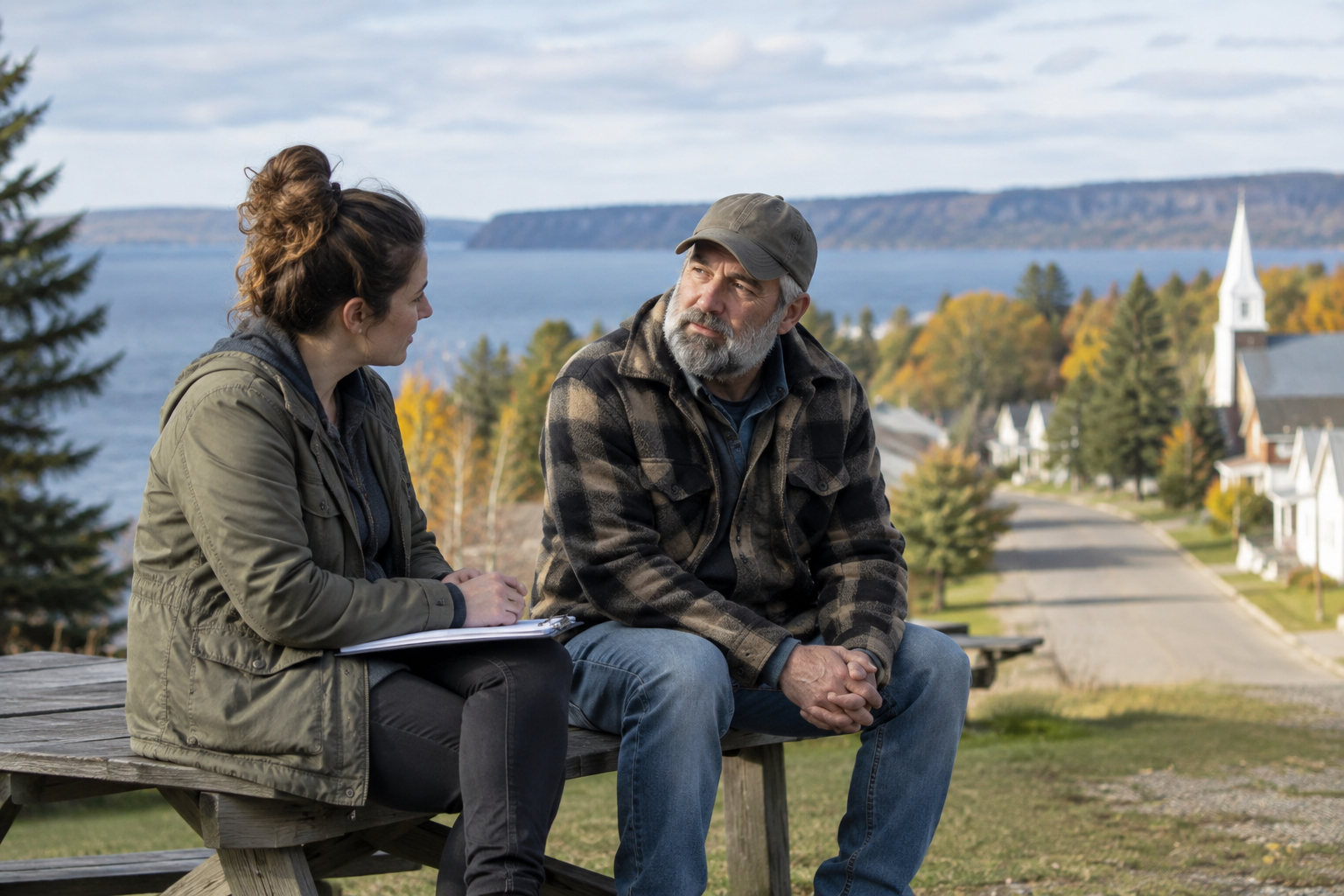
According to Common Ground, rural Michigan residents may face mental health care challenges that differ from those in urban areas, including transportation barriers, loneliness and limited options for group therapy. The source reports that diagnoses, trauma and individual needs can be similar across settings, but distance and smaller populations can affect how services are organized.
Common Ground says that support groups can be harder to run in rural communities because interested participants may live far apart or be available at different times. As a result, the source reports, services may be more individualized. Rural providers may also deliver more community-based home visits and face difficulties recruiting workers for jobs that require extensive travel.
Adapting crisis and remote services
Common Ground reports that a rural community mental health agency described using an after-hours on-call approach for crisis response, with two staff available to respond when calls occur. The agency leader told Common Ground that this approach was better suited to local needs than maintaining a city-style mobile crisis team throughout every shift.
The source also reports that the agency distributed iPads to law enforcement and first responders across its county. According to Common Ground, the devices can help responders connect people with behavioral health concerns to assessments for hospitalization or other treatment services when appropriate.
Internet access can also be a challenge. Common Ground reports that, because high-speed internet is limited in parts of the county, the agency created video rooms where residents can come in for psychiatric appointments by video while also meeting face to face with a staff member.
Community partnerships and stigma
According to Common Ground, stigma around mental health and substance use issues can be higher in rural communities than in urban areas. The source reports that community involvement, events and partnerships can help agencies communicate that they are available to support the wider community.
Common Ground says rural service planning can involve discussions with sheriffs, county administrators, local officials, homeless shelter leaders and health departments. The source reports that this local input can help community mental health agencies tailor services to the specific needs of their areas.
What this means for Michigan patients
Common Ground’s report highlights why finding treatment locally may involve considering transportation, travel distance and available service formats. The directory lists 55 published clinics in Michigan, which can help people begin looking for treatment options in their area.
This is general information, not medical advice.
More Michigan reporting on rural access.
This report is educational and is not medical advice. Coverage, availability and eligibility can change; verify details with the named source or your care team.